

In high voltage testing environments, precision is critical. Even minor inaccuracies in AC/DC measurement can impact testing reliability, equipment validation, compliance reporting, and overall operational safety. As testing requirements continue to evolve across utilities, manufacturing facilities, research laboratories, and transformer testing programs, the demand for accurate and dependable measurement solutions has never been greater.
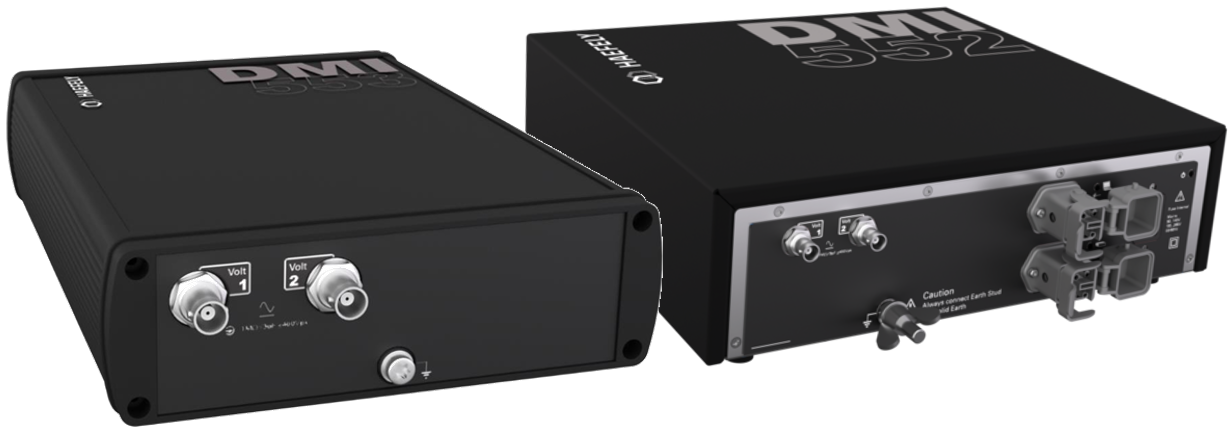
Precision digital measuring instruments, such as kilovoltmeters, play an essential role in ensuring consistent, repeatable test results. Designed for demanding high voltage applications, the DMI 552/553 Digital Measuring Instrument helps testing professionals achieve reliable AC/DC measurements with confidence.
What Is a Digital Measuring Instrument or Kilovoltmeter
A digital measuring instrument (DMI) or kilovoltmeter (KVM) is used to accurately measure and monitor electrical values in testing and diagnostic environments. In high voltage applications, precision AC/DC measurement is especially important for evaluating equipment performance, validating test results, and maintaining stable testing performance.
Unlike older analog systems, digital instruments provide clear numerical readings, improved accuracy, and greater repeatability. This helps reduce interpretation errors while supporting more efficient testing procedures in laboratory and field environments.
Common Measurement Challenges in HV Testing
High voltage testing environments often present several challenges that can affect measurement reliability and accuracy. Signal instability, electromagnetic interference, environmental conditions, and calibration drift can all contribute to inconsistent readings.
Inaccurate measurements may lead to:
❌ Repeat testing and lost productivity
❌ Incorrect diagnostics
❌ Compliance concerns
❌ Reduced confidence in test results
❌ Increased operational risk
As testing standards become more demanding, reliable instrumentation becomes increasingly important for maintaining both efficiency and accuracy.
Key Considerations for Accurate Measurement
Accurate measurements in high voltage testing environments depend on more than the instrument itself. Factors such as electrical noise, improper grounding, environmental conditions, and calibration drift can all affect testing reliability and consistency.
Routine calibration and proper shielding practices help maintain measurement accuracy and reduce interference during testing procedures. Clear measurement visibility and stable performance also help minimize operator error during testing procedures.
Precision digital measuring instruments and kilovoltmeters help support safer, more reliable high voltage testing across laboratory and field applications.
How the DMI 552/553 Helps Improve Measurement Accuracy
The DMI 552/553 is designed to support precise AC/DC measurement in demanding testing environments. Its digital design helps provide stable, accurate readings while minimizing common measurement inconsistencies associated with traditional systems.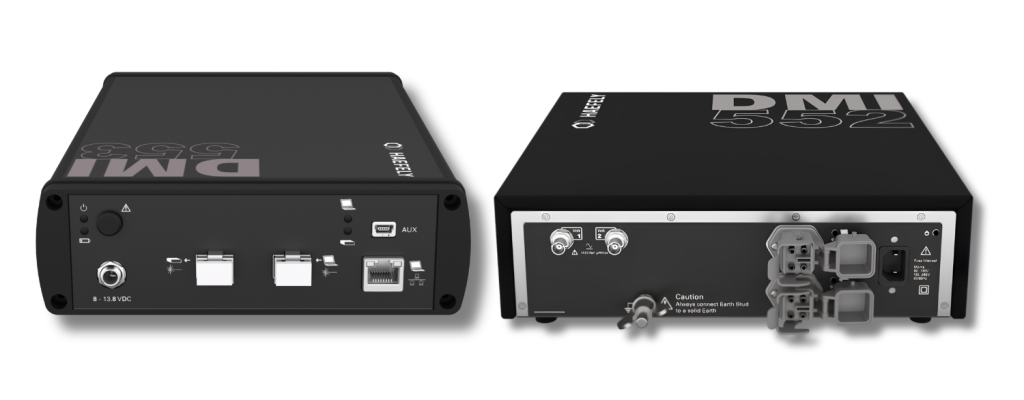
Key advantages include:
➡️Clear digital readability and real-time data visualization
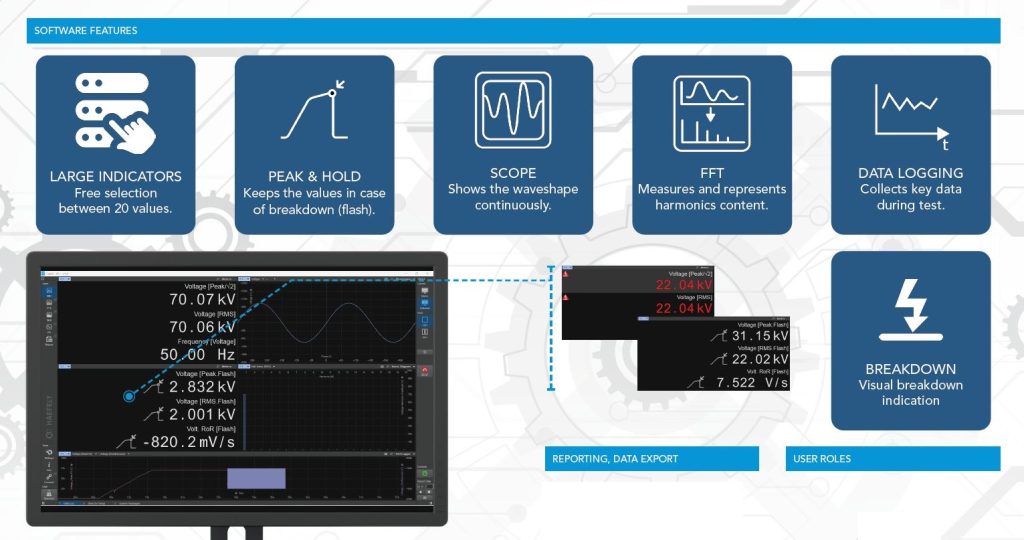
Measured values are displayed as large digits on a screen using the Haefely CaMS software, helping operators quickly interpret readings during testing procedures. Additional graphical functions, including scope visualization, FFT analysis, datalogging, and flash detection, provide enhanced visibility into test performance and measurement behavior.
➡️Compliance with Domestic and International Standards
Digital recording instruments like the DMI series meet the requirements of IEC 61083 for measurement characteristics. They follow the uncertainty evaluation and test procedures defined in the IEC 60060 series, IEC 61180, and IEEE Std 4-2013.
➡️Improved testing analysis with flashover monitoring
During testing, data is continuously recorded. When a flashover occurs, the system displays the measured values immediately preceding the breakdown, enabling test personnel to better assess insulation performance and test conditions. The feature is configurable to fit a wide variety of testing applications.
➡️Simplified setup for high voltage and current measurements
Voltage divider ratios and shunt conversion factors (A/V) can be entered directly into the software for immediate display of correctly scaled values. This allows the DMI to rapidly switch between different dividers and current sensors, providing superior flexibility and fast changeover.
➡️Enhanced operator safety in high voltage environments
Fiber optic communication provides galvanic isolation between the operator and the high voltage test laboratory, helping improve safety during demanding testing procedures.
➡️Reliable performance for laboratory and field-testing applications
Designed for demanding high voltage environments, the system supports consistent measurement performance across laboratory diagnostics, manufacturing quality assurance, and field-testing operations. The DMI series is the only instrument that is recommended for breakdown testing.
By improving measurement confidence and consistency, digital measuring instruments help testing professionals streamline workflows while supporting safer and more dependable operations.
Typical Applications for the DMI 552/553
Precision kilovoltmeters are commonly used across a wide range of high voltage diagnostic and testing applications, including:
✔️Transformer testing
✔️Cable testing
✔️High voltage laboratory environments
✔️Calibration and verification processes
✔️Manufacturing quality assurance
✔️Utility maintenance programs
✔️Research and development testing
✔️Upgrading Existing Measurement Systems
Because accurate measurement data is essential to effective diagnostics and equipment validation, reliable instrumentation remains a key component of modern HV testing procedures.
Selecting the Right Instrument for HV Applications
Selecting the appropriate measuring instrument for high voltage applications depends on several factors, including accuracy requirements, testing environment, repeatability, and long-term reliability. Instruments used in demanding laboratory and field environments should provide stable measurements, clear readability, and dependable performance under varying operating conditions.
Digital measuring instruments and kilovoltmeters designed for precision AC/DC measurement can help improve testing efficiency while supporting more consistent diagnostic and validation procedures. Selecting instrumentation designed for demanding testing environments can help improve testing efficiency, operator confidence, and long-term measurement stability.
Considerations for Onsite Testing
The DMI series instruments are designed with the operator in mind, offering lightweight construction (<3 lbs) and rugged durability. The included transportation case keeps the instrument and all accessories protected and neatly organized in one place. With up to 8 hours of battery life on a single charge and the ability to connect multiple batteries in series, the DMI delivers extended runtime even during the most demanding applications.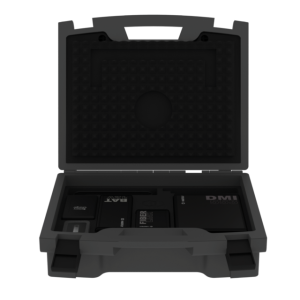
Multichannel Acquisition and Remote Output Capabilities
Simultaneous two-channel measurements — such as voltage and current, or dual voltage readings — significantly expand the application range of the DMI series instruments. The ability to add up to 8 remote outputs enables simple automation, for example, automatically shutting off a device once a setpoint is reached. This delivers a highly flexible and versatile platform.
Integration Ready Platform
The Haefely CaMS operating software supports the SCPI (Standard Commands for Programmable Instruments) command set, enabling straightforward remote control and data acquisition. The DMI instrument is easily automated and seamlessly integrated into even the most demanding test and measurement applications. Common automation platforms such as LabVIEW can communicate with the instrument and collect data directly, without the need for special adapters or drivers.
ISO17025 Calibration
ISO/IEC 17025 accredited calibration ensures your measurement instruments are reliable, traceable, and technically competent. It delivers a rigorous quality framework that minimizes measurement errors, meets regulatory requirements, and simplifies audits.
The DMI series is available with ISO/IEC 17025-accredited calibration, providing a high-accuracy and stable measurement platform.