

HV TECHNOLOGIES, Inc., provides a complete and broad range of High Voltage Test Equipment and Service Solutions for the Utility and Electrical Power Industries. Our quality solutions have you in mind and are not based on a single technology, but focused on capabilities and functionalities you need. Whether it’s for testing the insulating properties of oil, cables, or HV transformers and accessories, HVT brings together resources from design, engineering, technology, and support to make your job easier.
Cable Testing & Diagnostics
High voltage cable test equipment is an easy-to-operate test solution for your cable testing needs and helps save companies and utilities significant money, reducing unnecessary outages, and optimizing maintenance planning/budgets.


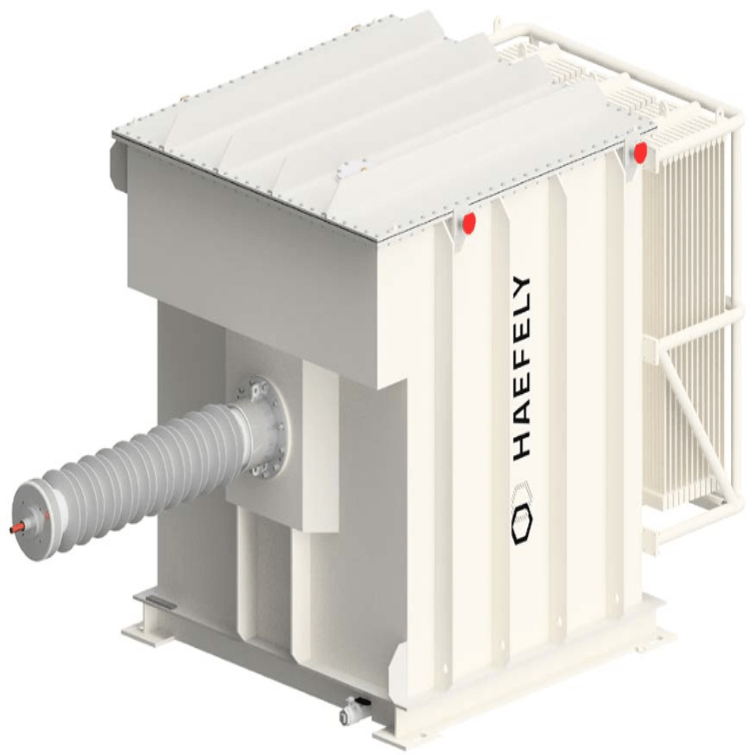
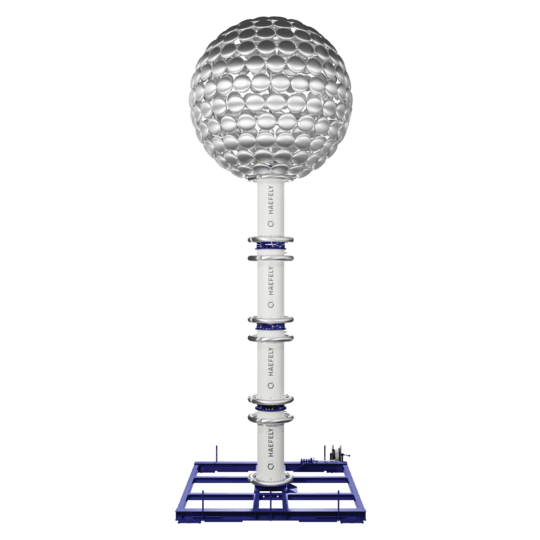
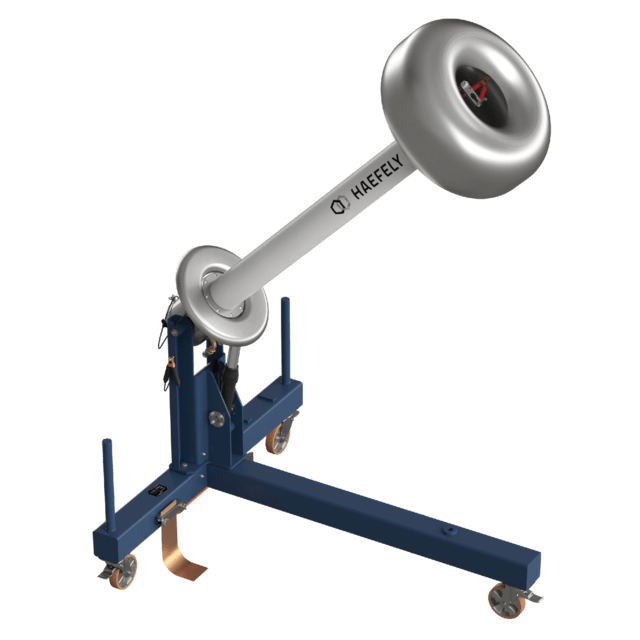
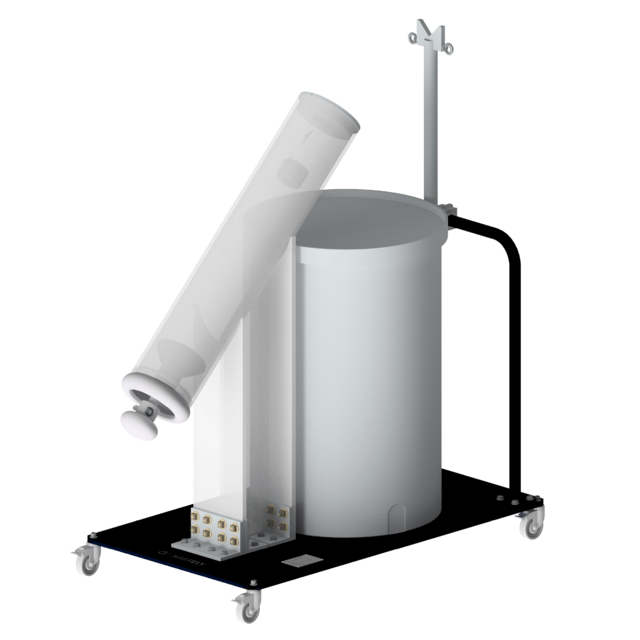
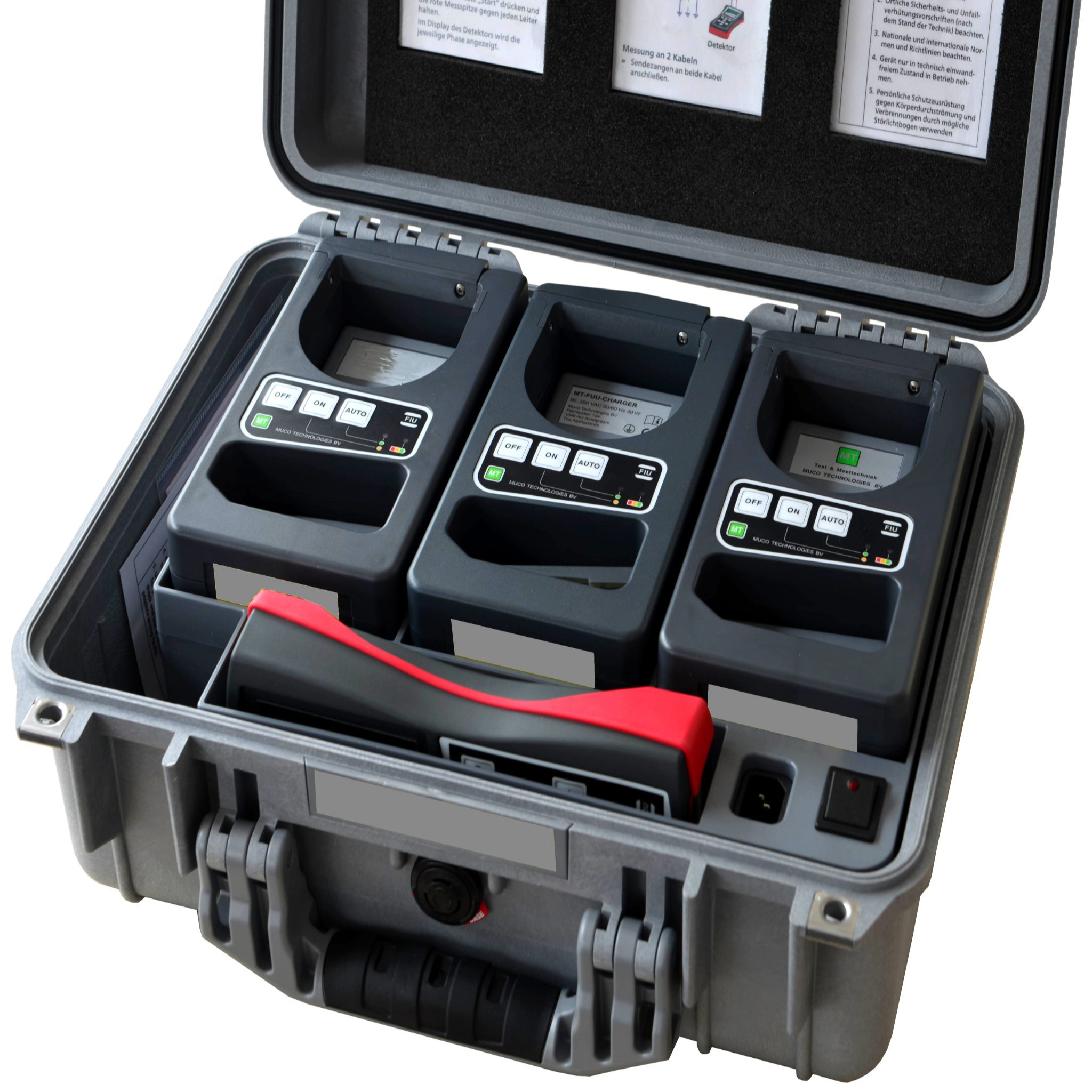
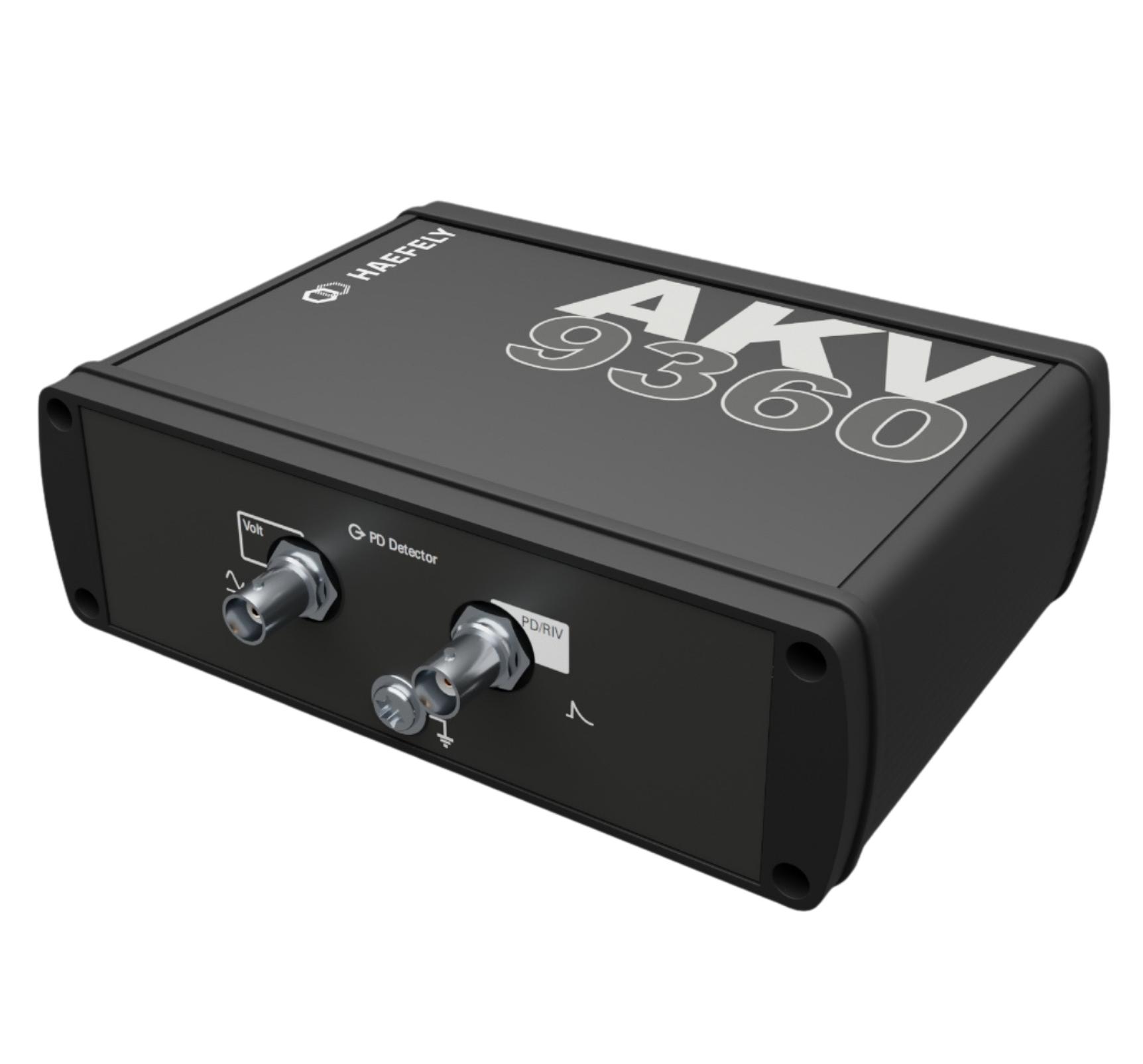
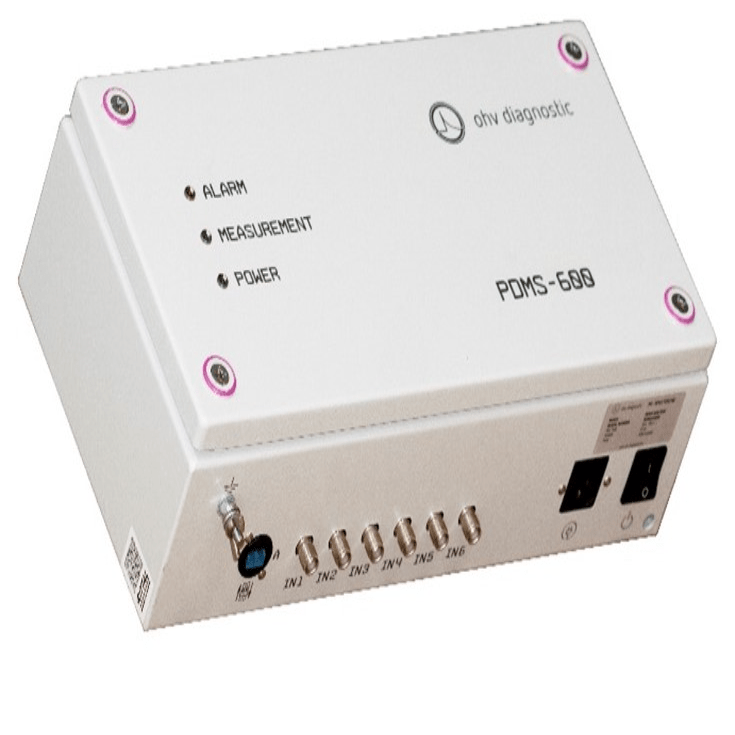
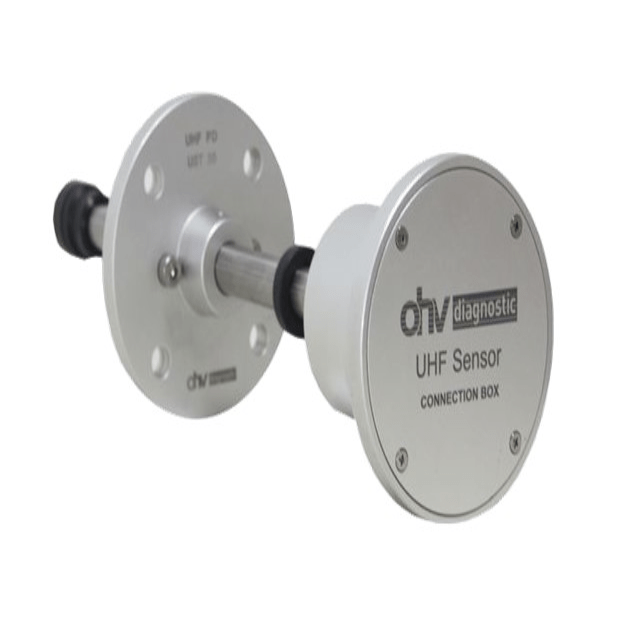
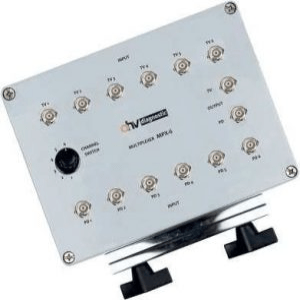
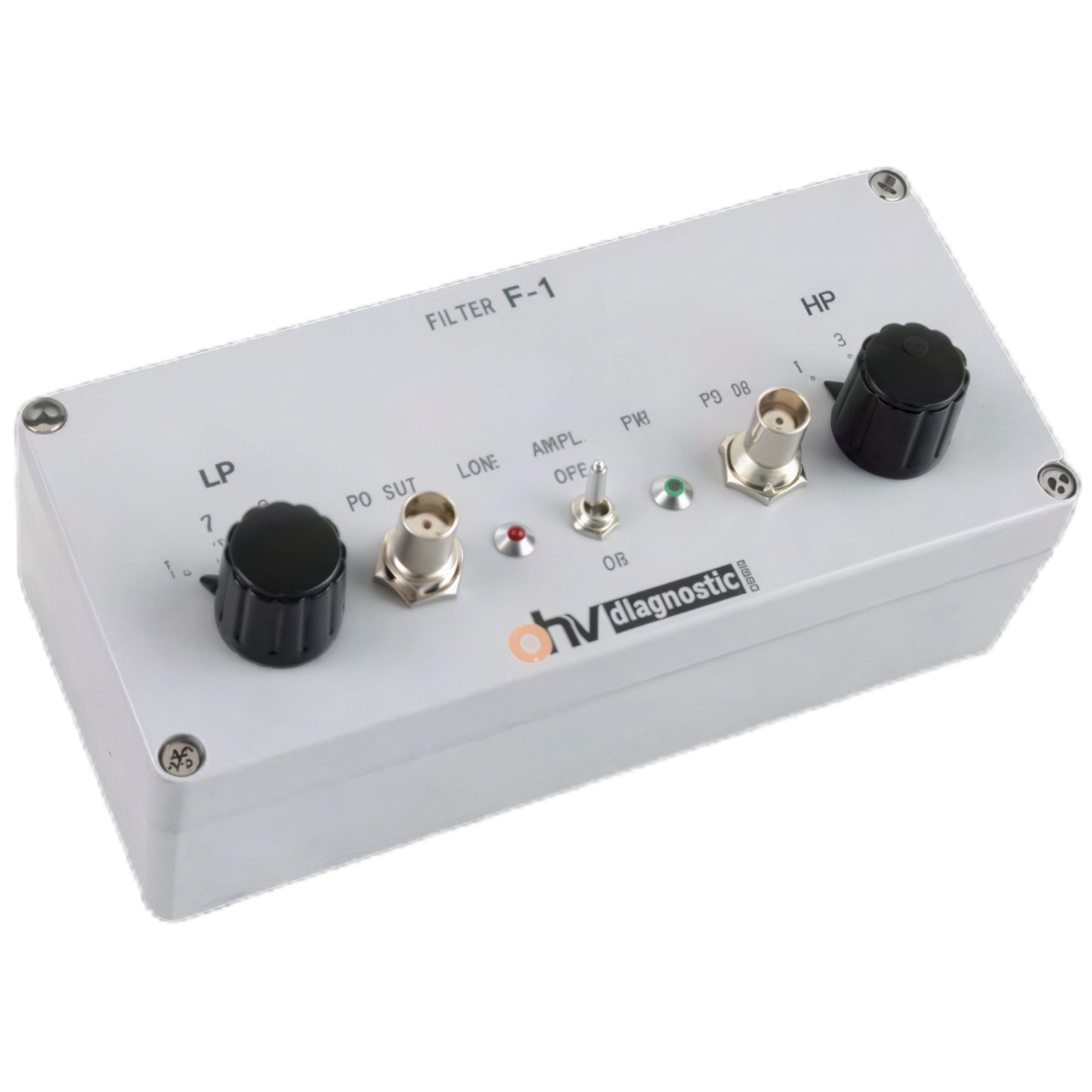
Partial Discharge Test Equipment
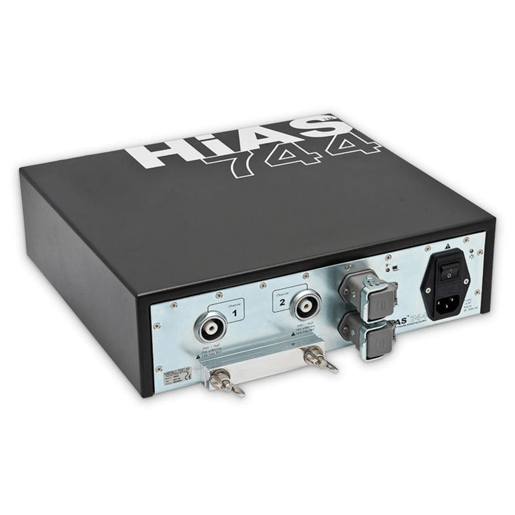
Partial Discharge (PD) testing is a proven diagnostic method for non-destructive cable testing for many years. Using partial discharge measurement with source localization, direct allocation of partial discharge activity on cable segments, joints or cable terminations is enabled allowing for optimal asset management and planning of maintenance.
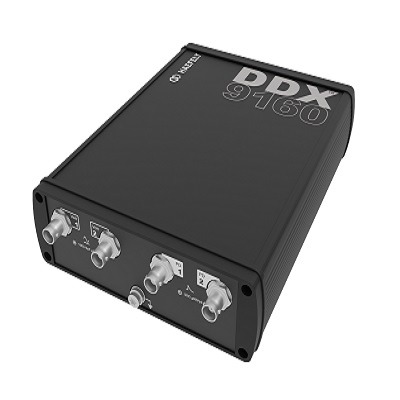
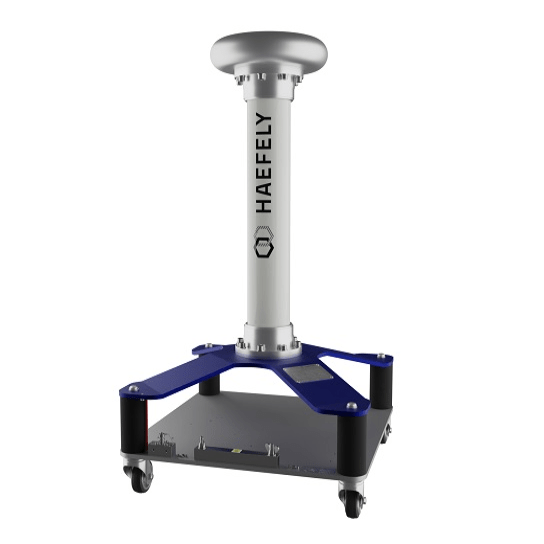
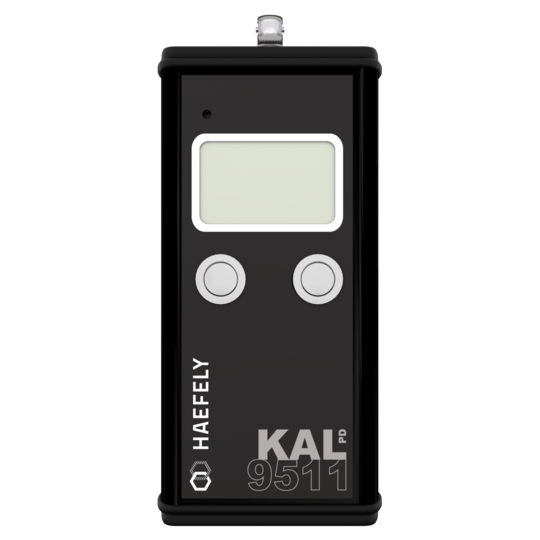
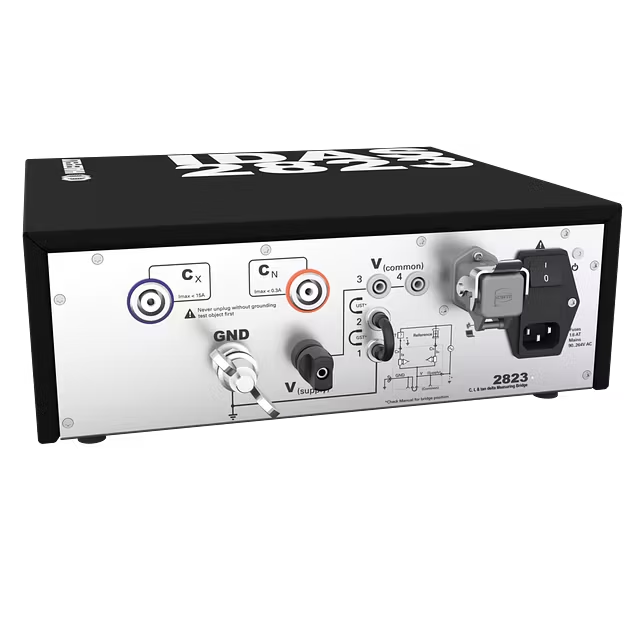
Tan Delta Test Equipment
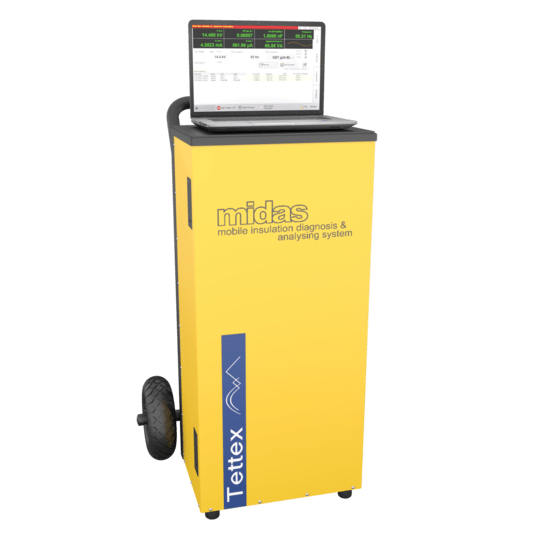
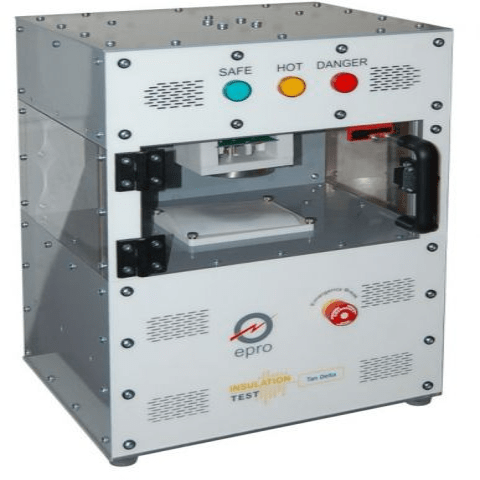
High-precision tan delta/power factor measuring equipment are used for measuring very low dielectric losses in high voltage apparatus. Tan Delta / Power Factor is a precise and non-destructive method to provide important information on the extent of ageing in insulation systems. Tests are conducted during periodic maintenance and inspection of high voltage equipment such as power transformers, instrument transformers, bushings, capacitors, motors, generators, power cables, etc.
Test Bay Equipment
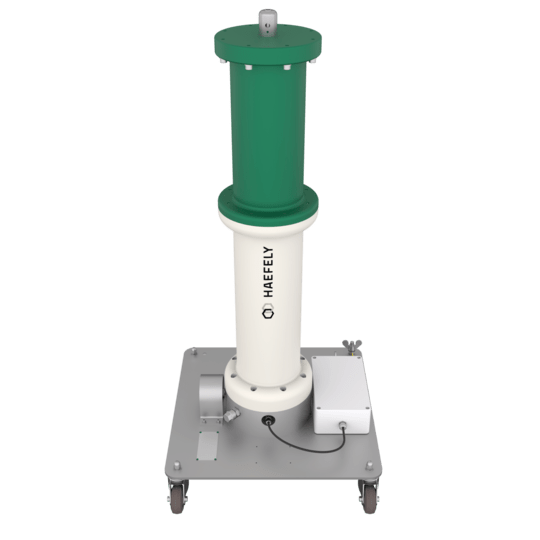
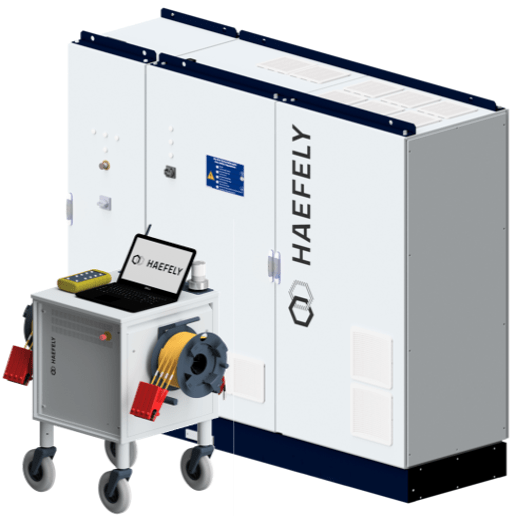
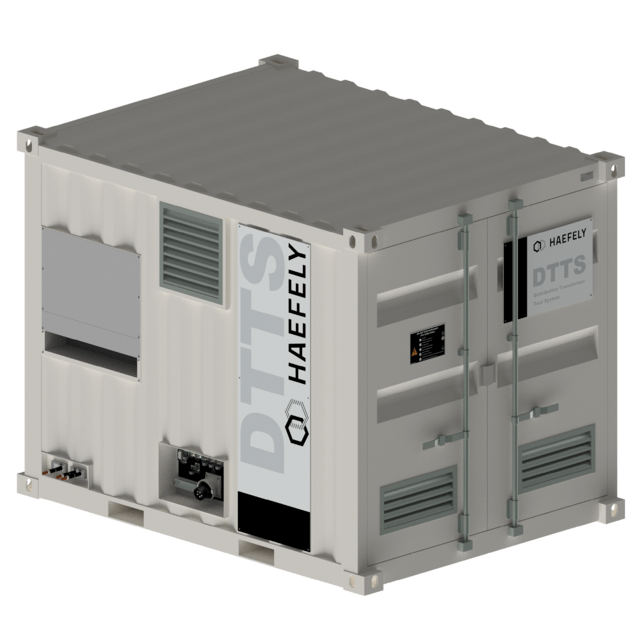
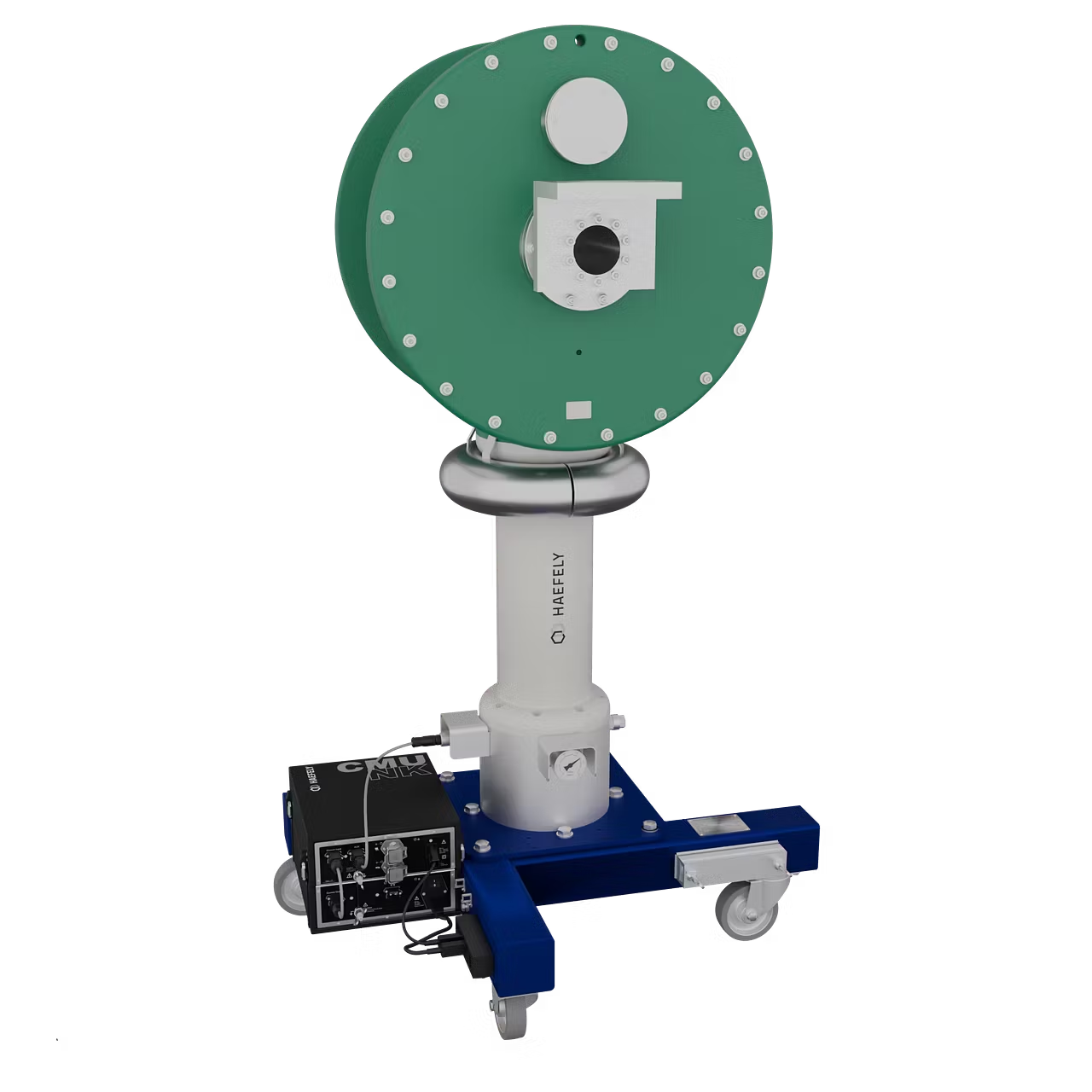
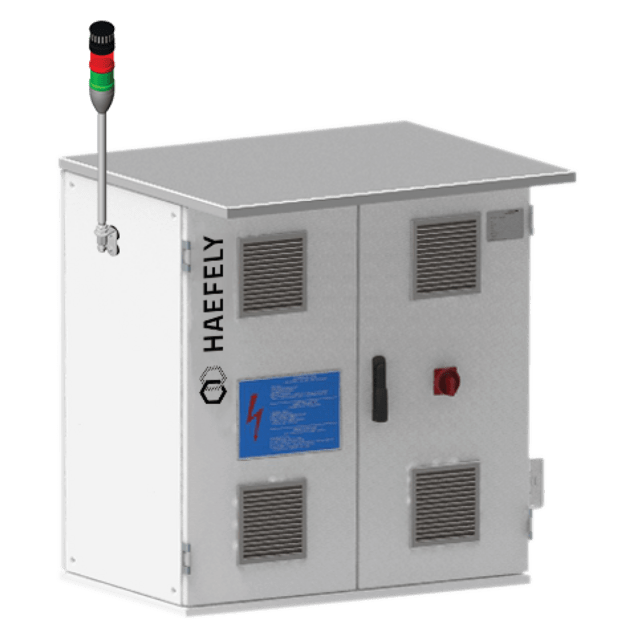
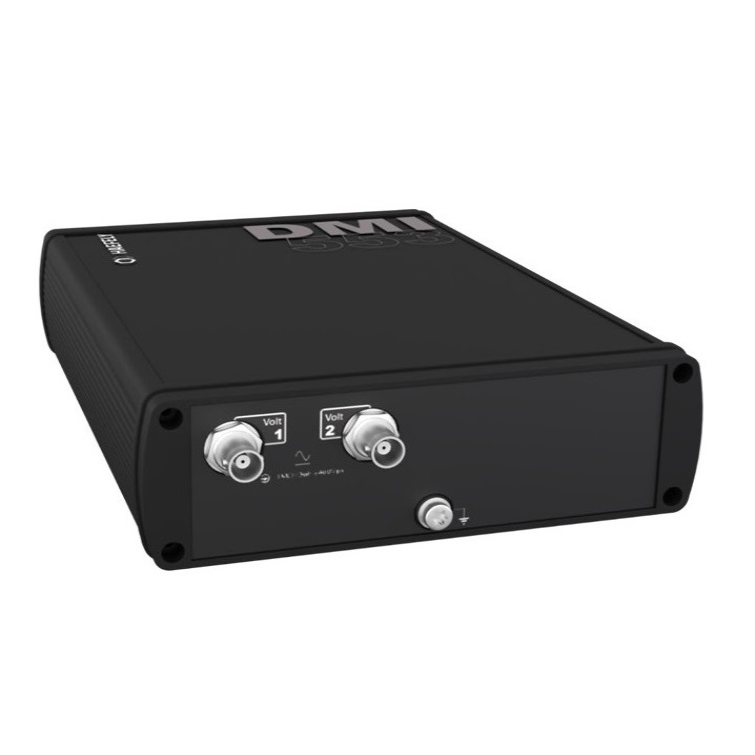
HV TECHNOLOGIES, Inc. specializes in providing High Voltage Test Systems for the generation of AC, DC, and Impulse voltage and current sources to meet your factory, laboratory, and on-site test requirements. Our product innovations and expertise provides your company with a solid return on investment.

Impulse Testing
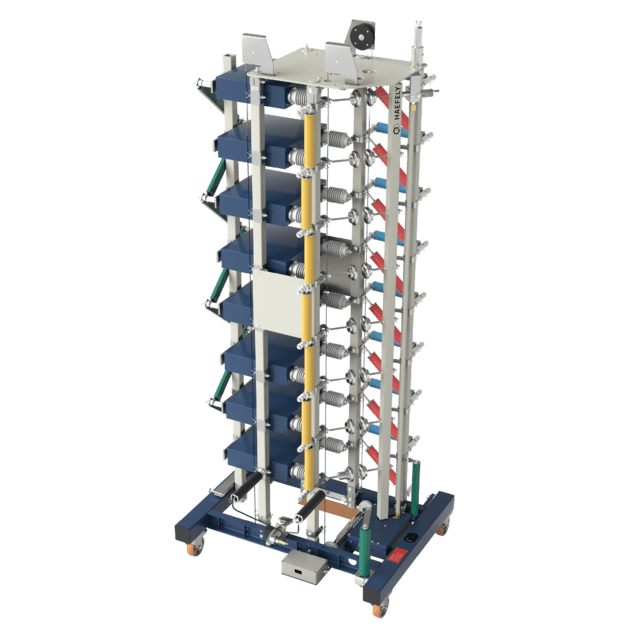
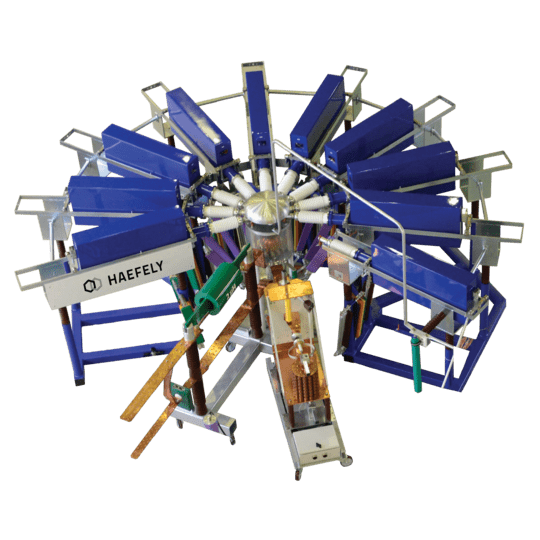
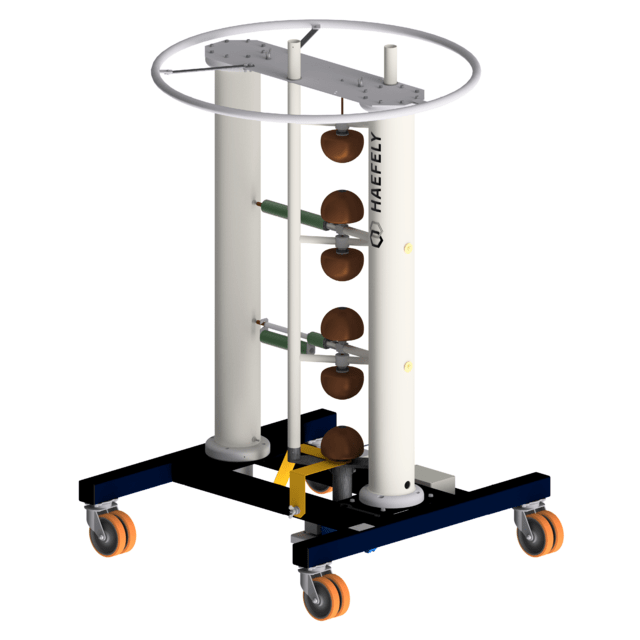
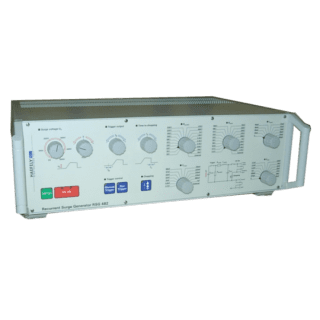
Impulse testing systems are designed to generate impulse voltages that simulate lightning strikes and switching surges. HV TECHNOLOGIES has a long tradition of supplying impulse voltage generators for HV applications as well as impulse test systems for the EMC, avionics, and military industries.
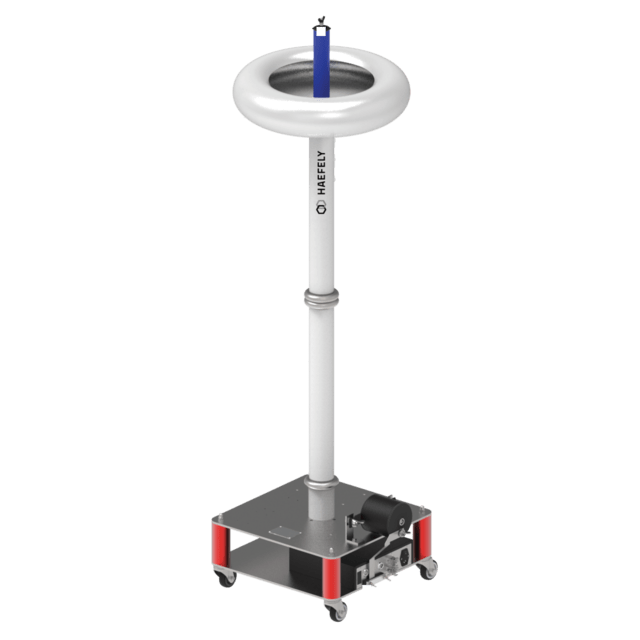
Transformer Testing
Power and distribution transformers are among the most important and cost-intensive equipment in electrical power transmission and distribution. Therefore, their operation must guarantee a continuous and error-free power supply over decades.
Whether you need quality assurance testing following production or routine transformer testing, HVT has a solution for you.


Instrument Transformer Testing
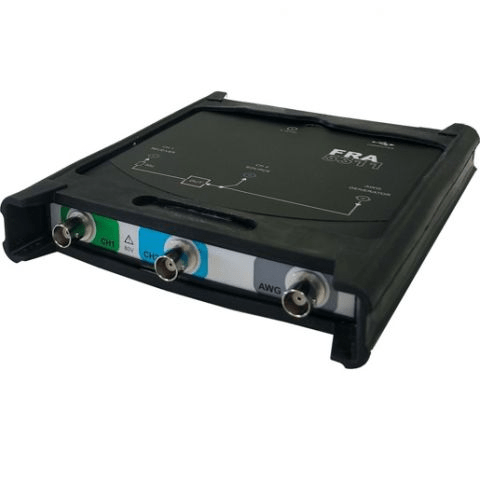
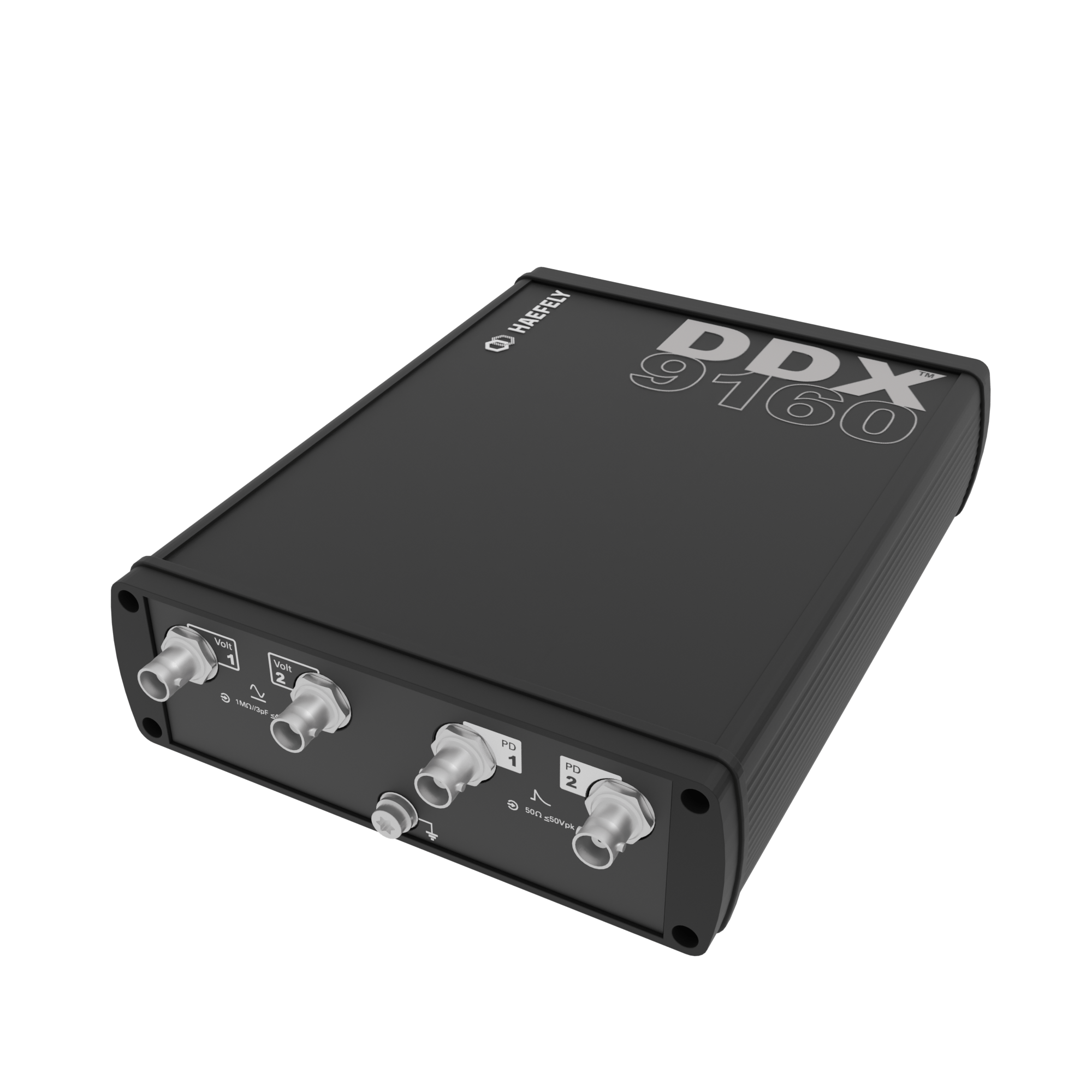
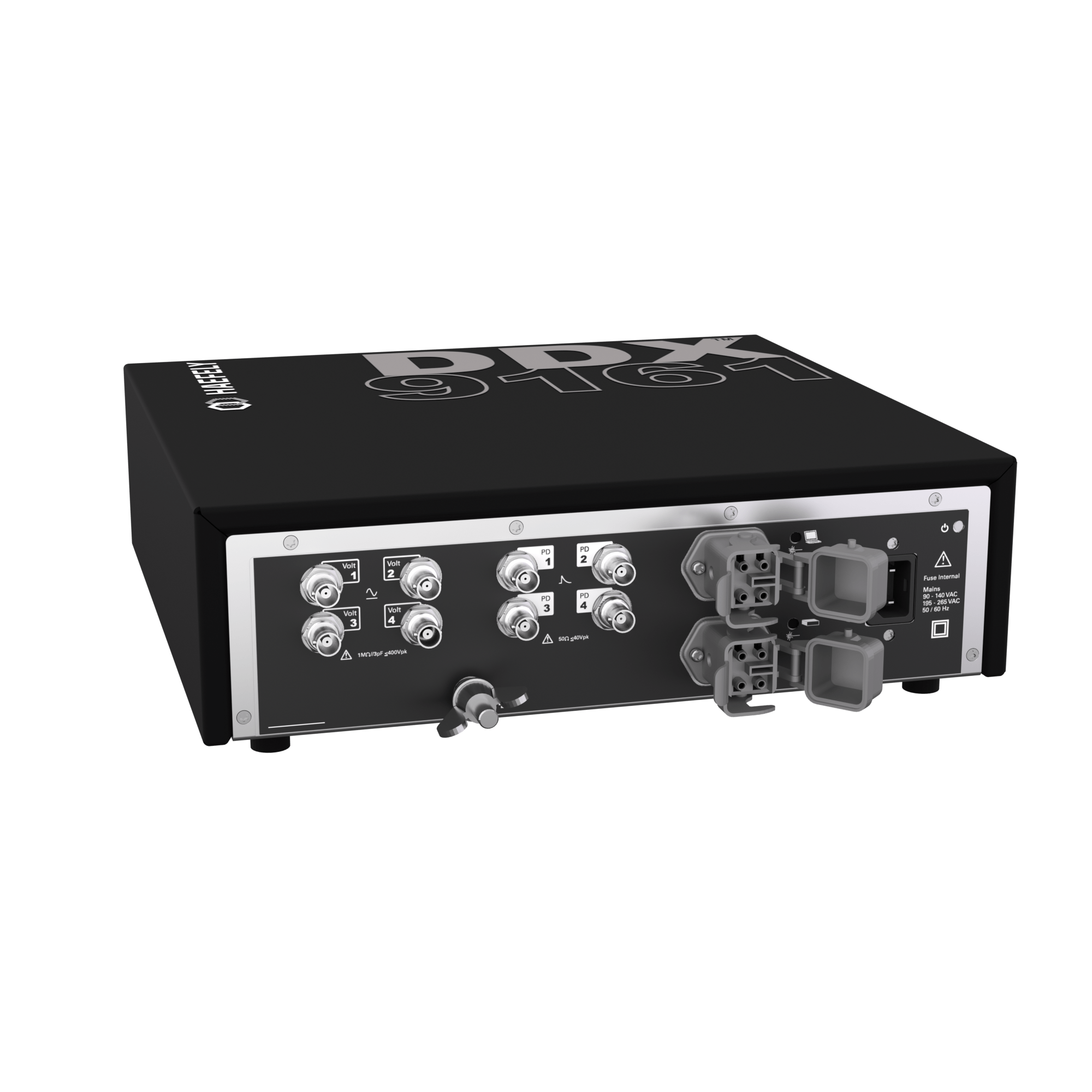
Instrument transformers are important high voltage electrical devices that isolate and transform currents or voltages from higher magnitudes to lower magnitudes to provide safety of an end user and to protect a measuring device being used, such as a current or voltage measuring bridge, ammeter, or voltmeter. High currents are transformed using a current transformer (CT) and high voltages are transformed using a voltage transformer (VT), otherwise known as a potential transformer (PT).
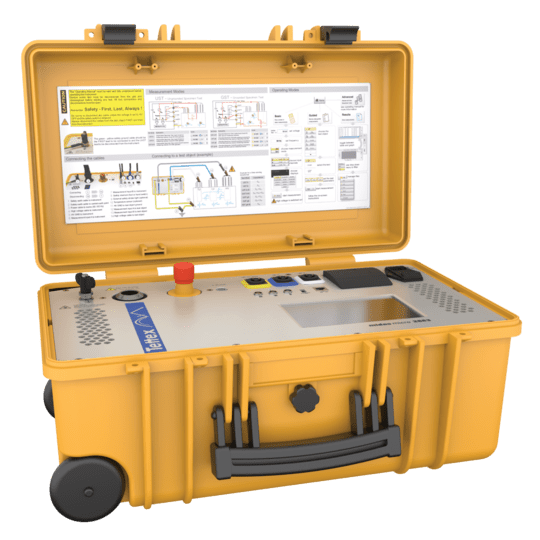
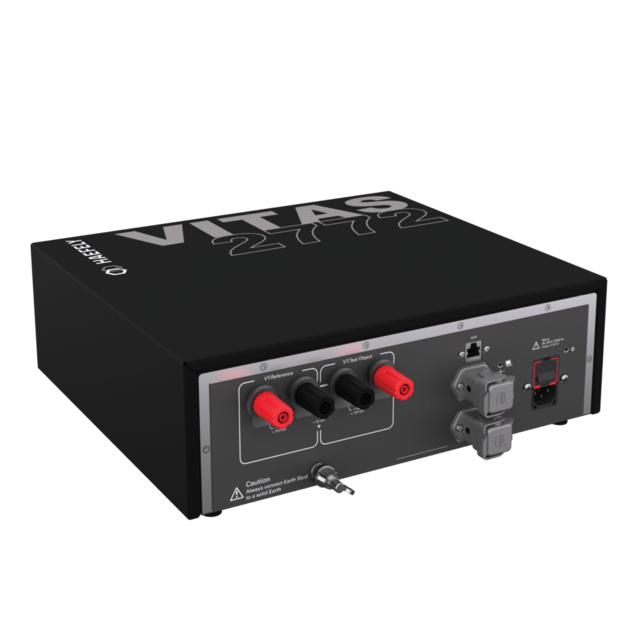
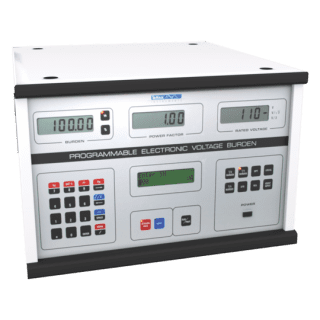
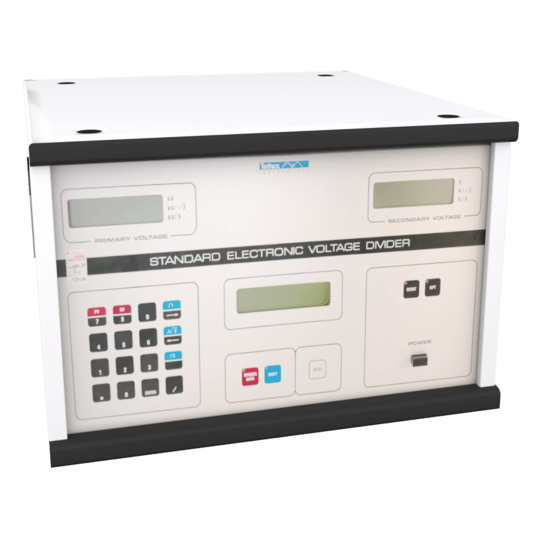
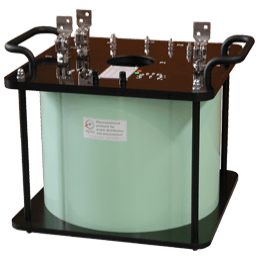
Haefely / Tettex has a long-standing tradition of providing highly accurate instrument transformer test systems used to precisely measure current/voltage ratio errors, phase displacement, and excitation.



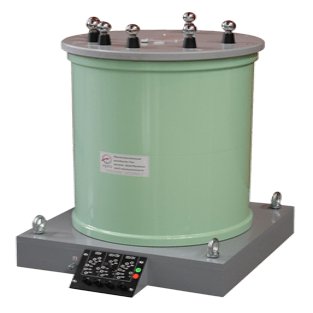
Calibration Equipment
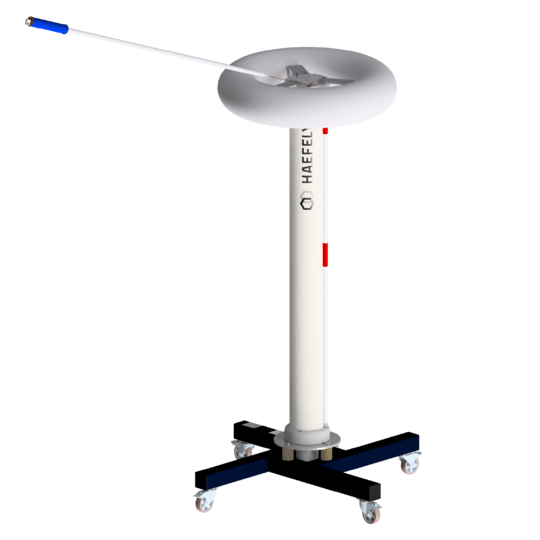
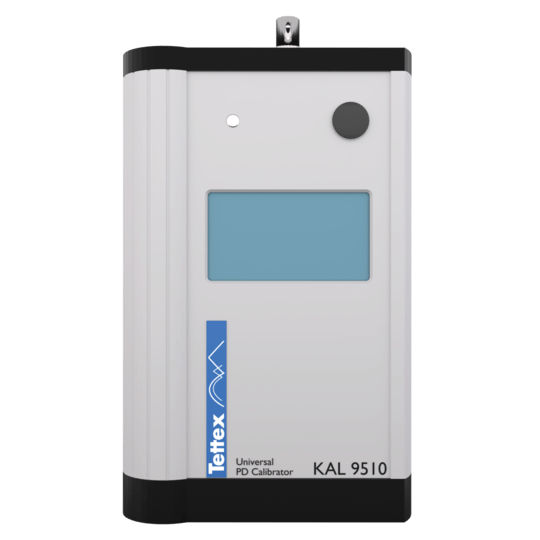
HV TECHNOLOGIES, Inc. supplies various different calibration equipment for your high voltage testing needs with excellent results in accuracy and reliability.


Frequently Asked Questions
How do I choose the right high voltage test equipment for my application?
Selecting the appropriate test equipment depends on several factors, including the type of equipment under test, the required test standards, and the specific testing conditions. Our team of experts can help you determine the best solution tailored to your specific needs.
Are your HV and EMC equipment compliant with international standards?
Yes, all HV and EMC equipment is designed and manufactured to comply with international standards including as IEC, IEEE, ANSI, and UL. We also offer calibration services to ensure ongoing compliance.
What are the key standards for EMC testing?
Common standards include:
- IEC 61000 series: General EMC standards covering immunity and emissions.
- MIL-STD-461: U.S. military standard for EMC requirements.
- MIL-STD-1275: US military standard for 28Vdc equipment in military vehicles
- RTCA DO-160: Aerospace standard for environmental conditions and test procedures.
- ISO series: Automotive industry road vehicles and their electronic components.
- SAE series: EMC requirements for electronic systems in vehicles, boats, and machines.
Adhering to these standards ensures compliance and reliability in various applications.
What is the warranty period for your HV test equipment?
All products include the manufacturer’s standard warranty. Duration and terms vary by manufacturer. Extended warranty options are available upon request.
Do you provide calibration services for HV test equipment?
Yes, we offer calibration services for all our test equipment to ensure accuracy and compliance with industry standards. Our calibration services are performed by certified technicians using traceable standards.
Can your HV equipment be used for both laboratory and field testing?
Absolutely. Our HV test equipment is designed for versatility, making it suitable for both laboratory environments and field applications. Many of our systems are transportable and ruggedized for on-site testing.
What training do you offer for operating your HV test equipment?
We provide comprehensive training programs that cover equipment operation, safety procedures, and maintenance. Training can be conducted at our facility, on-site, or through online sessions.
How do I request a quote for your equipment?
You can request a quote by visiting our Request a Quote page and filling out the form. Alternatively, you can contact our sales team directly at hvsales@hvtechnologies.com or emcsales@hvtechnologies.com
Do you offer rental options for your equipment?
Depending on the type of test equipment, we have the ability to offer rental options. In other cases, we can direct you to a dedicated rental house that offers our test equipment. Please contact us for more information.
What is Partial Discharge (PD) testing, and why is it important?
Partial Discharge testing is a diagnostic method used to detect localized dielectric breakdowns within insulation systems. Identifying PD activity is crucial for preventing insulation failure and ensuring the longevity of electrical equipment.
What is Tan Delta testing, and what does it measure?
Tan Delta testing measures the dielectric losses in insulation materials. A higher Tan Delta value indicates increased energy dissipation, which can be a sign of aging or degradation in the insulation system.
Can your equipment be integrated with existing test setups?
Yes, our equipment is designed with compatibility in mind. We offer integration services to ensure seamless operation with your existing test systems and infrastructure.
What safety features are incorporated into your hv test equipment?
Our hv test equipment includes multiple safety features such as interlock systems, emergency stop buttons, protective enclosures, and grounding mechanisms to ensure safe operation during testing.
How can I obtain technical support for your hv test equipment?
Technical support is available through our Support page, where you can submit a request or contact our support team directly at service@hvtechnologies.com.
How do I prepare my equipment for high-voltage testing?
Preparation involves:
- Ensuring the equipment is de-energized and properly grounded.
- Inspecting for any visible damage or wear.
- Verifying that all connections are secure and meet the test requirements.
- Consulting the equipment’s manual for specific preparation steps.
Proper preparation ensures accurate test results and maintains safety.
What is the role of tan delta testing in insulation diagnostics?
Tan delta testing measures the dielectric losses in insulation materials, providing insights into the condition and aging of the insulation. A higher tan delta value indicates increased energy dissipation, which can be a sign of insulation degradation.