

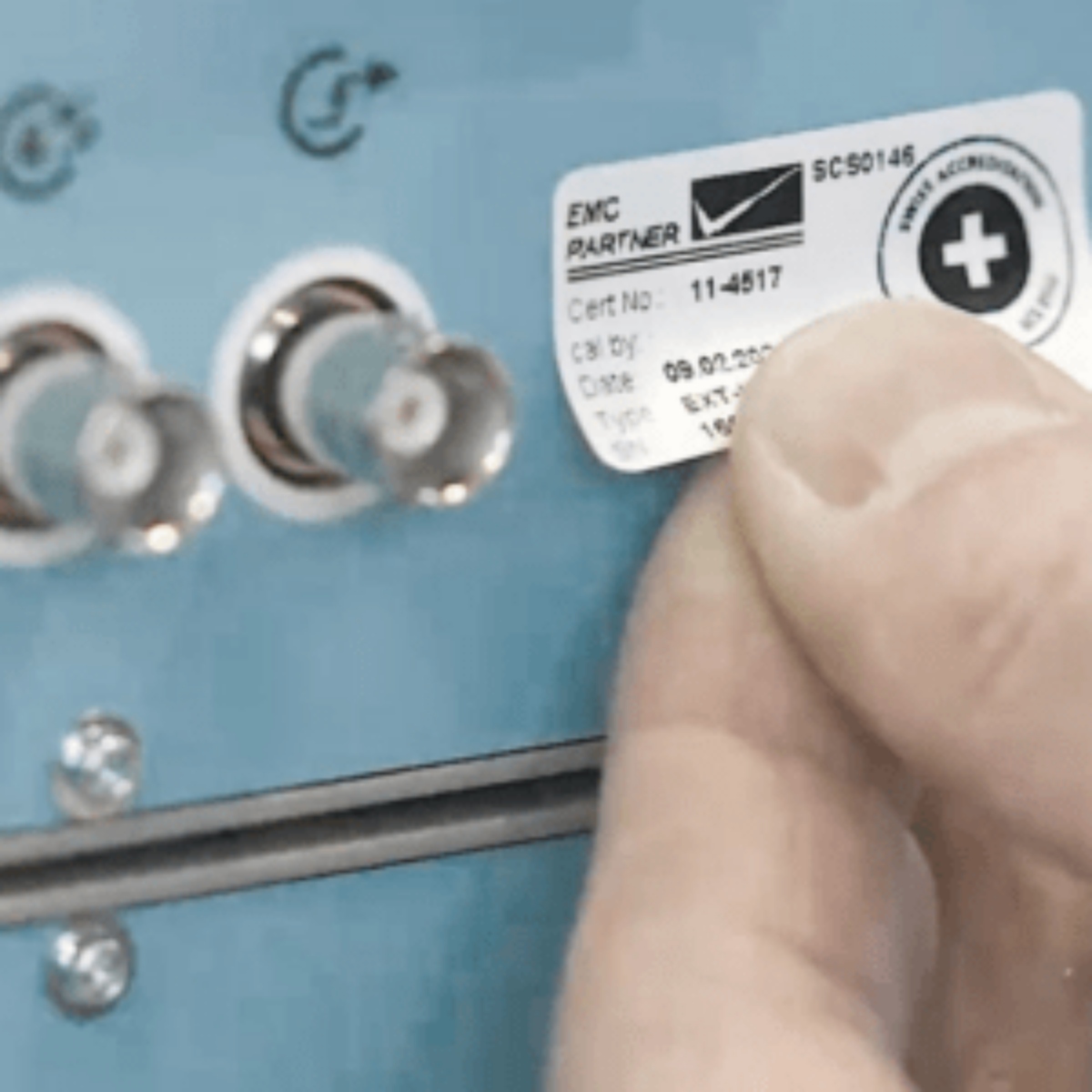
The Accreditation Ecosystem: What It Really Means
Accredited calibration operates within a structured system designed to ensure measurement results are reliable, consistent, and internationally recognized. At the center of this system is ISO/IEC 17025, the global standard defining technical and quality requirements for calibration laboratories.
Accreditation bodies continuously assess and evaluate laboratories against these requirements. They confirm:
- Technical competence
- Validated methods
- Appropriate uncertainty calculations
- Qualified personnel
- Controlled processes
Laboratories also participate in proficiency testing, where independent evaluations ensure their measurements remain accurate and reliable over time.
Just as important is a laboratory’s scope of accreditation, which specifies exactly which measurements, ranges, and uncertainties are covered. The value of accreditation isn’t the certificate on the wall; it’s the documented scope that defines what the laboratory is truly qualified to do.
The Risks of Non-Accredited Calibration
Non-accredited calibration introduces hidden uncertainty that often goes unnoticed until results are challenged. Even if an instrument appears functional, the lack of independent oversight means there is no formal confirmation that:
- Calibration methods are valid
- Uncertainty calculations are correct
- Environmental controls are adequate
- Technicians are properly trained
During customer or regulatory audits, non-accredited calibration certificates may raise questions about validity and acceptance. This can lead to:

- Additional documentation requests
- Repeat testing
- Findings that require corrective action
Beyond audits, unaccredited data can impact:
- Product quality decisions
- Regulatory submissions
- Contractual obligations
In disputes or investigations, non-accredited calibration records may not be defensible, leaving organizations exposed to rework, financial loss, or legal complications. What seems like a cost-saving measure upfront can become far more expensive down the line.
Accredited calibration eliminates these vulnerabilities by ensuring measurement results are supported by a robust, independently verified system. It shifts calibration from a routine task to a protective measure that safeguards data integrity, compliance, and reputation.
Common Misconceptions About Accredited Calibration
Many organizations assume that traceable or routine calibration is sufficient. Accreditation adds an independent layer of verification that routine calibration alone cannot provide.
Other misconceptions include:
- It’s only needed for highly regulated industries. Any organization that relies on accurate, defensible, or audit-ready data benefits.
- It’s an unnecessary expense. While it may cost more upfront, it prevents higher costs from repeat testing, audit findings, or quality issues.
In short, accredited calibration is an investment in confidence, reliability, and long-term operational integrity.
How to Choose an Accredited Calibration Provider
Selecting the right provider is as important as pursuing accreditation itself. Key factors include:
- Verify accreditation and scope. Ensure the lab is qualified for your specific instruments and measurement ranges.

- Experience and expertise. The provider should understand your industry, methods, and reporting standards.
- Qualified personnel and processes. Staff should follow internationally recognized protocols for consistent, reliable results.
- Reports, turnaround, and service. Clear reports make audits easier, while responsive service avoids delays and miscommunication.

Ultimately, choose a provider that meets accreditation standards and aligns with your operational needs, supporting both accuracy and efficiency.
Accredited calibration isn’t just a technical requirement; it’s a strategic advantage. By partnering with a qualified, accredited provider, organizations ensure measurement results are accurate, defensible, and audit-ready, protecting data integrity and building long-term credibility. Whether your focus is compliance, quality, or operational excellence, investing in accredited calibration today positions your business to meet tomorrow’s challenges confidently and efficiently.
For a broader overview of why calibration alone isn’t enough and how accredited calibration protects your data and credibility, start with our first blog, Calibration Isn’t Enough Anymore: Why Accredited Calibration Matters.